
What Is Clear Aligner Wear Time and Why It Matters
Getting the Best Results With Clear Aligners: Wear-Time Tips for Teens starts with one simple number. Clear aligner wear time is the total hours per day your teen’s clear aligners sit on their teeth, actively moving them into place. Most clear aligner plans call for 20 to 22 hours daily for teen patients, and Dr. Moon will confirm the exact target for your teen’s treatment plan. That leaves about 2 hours for meals, snacks, drinks (other than water), and brushing.
Wear time is the single biggest predictor of a smooth, on-time finish. At Moon Orthodontics, we see it every week. Teens who hit the hour target finish close to schedule with beautiful results. Teens who don’t often need refinement trays, extra appointments, or extended treatment.
Here’s the honest truth: aligners only work when they’re in the mouth. Skip hours, and teeth drift. Skip days, and the next tray won’t fit. That’s when things get frustrating for everyone.
The good news? With a few smart habits and the right tools, hitting 22 hours becomes second nature. Teens who understand the “why” behind the number tend to buy in faster, and parents who understand it stop feeling like the bad guy at every meal.

How the 22-Hour Rule Actually Works Day to Day
Clear aligners apply gentle, steady pressure to shift teeth, but only while they’re worn. When trays come out, teeth start drifting back toward their old positions within a few hours. That’s why consistency matters more than any single long stretch of wear.
Here’s what a realistic school day looks like:
- 7:00 AM: Wake up, eat breakfast, brush, and put aligners back in (30 minutes out)
- 12:00 PM: Lunch at school, aligners out, brush or rinse before replacing (45 minutes out)
- 3:30 PM: Quick after-school snack (20 minutes out)
- 6:30 PM: Dinner with family (45 minutes out)
- 9:30 PM: Nighttime brushing, aligners stay in overnight
That schedule totals about 2 hours and 20 minutes out, which still lands inside the 20 to 22 hour target. Weekend days look a little different because meals shift around, but the same math applies: track your out-of-mouth time and aim for about 2 hours when possible.
How Often Do Trays Switch?
Dr. Moon will set your teen’s switch schedule, usually every 1 to 2 weeks. New trays feel snug for the first day or two. That’s normal. Switching at bedtime makes the adjustment easier because teeth settle while your teen sleeps. Keeping the old tray for a few days after switching is a smart habit in case the new one gets lost or damaged early in the cycle.
How Can You Tell Your Teen Is On Track?
At every check-in, Dr. Moon looks at how well the current tray fits and whether teeth are moving as planned. A tray that seats snugly is a good sign. A tray that feels tight, or leaves small gaps against the teeth, is an early signal that hours are slipping. Checking in at home once a day (“Were they in for the full day?”) keeps small problems small, and it gives families a shared, neutral way to talk about progress.
How Can Phone Reminders Help?
A simple timer or habit-tracking app on your teen’s phone can log wear time, remind them when aligners have been out too long, and count streaks toward the next tray. For teens who love their phones (so, most teens), it turns compliance into a game they can actually win. Alarms after meals and a daily checklist give teens a reason to keep going.
Benefits of Consistent Wear-Time Habits for Teens
Consistent wear isn’t just about finishing faster. It changes the whole experience for your teen and your family. When aligners stay in the full 22 hours, every part of the smile transformation runs smoother.
How Does Consistent Wear Shorten Treatment?
Most teen cases wrap up in 12 to 18 months when wear is consistent. Teens who skip hours often add 3 to 6 months (or more) to that timeline. Fewer refinements, shorter chair time, and smoother tray transitions all stack together. Refinement trays are extra sets made at the end of treatment to fine-tune results. Strong compliance usually means fewer refinements and fewer appointments. When aligners track properly, visits with Dr. Moon are quick check-ins. When they don’t track, visits turn into problem-solving sessions.
What Life Skills Do Clear Aligners Build?
Managing a 22-hour daily goal, keeping aligners in a case, and remembering to pop them back in after lunch builds genuine executive-function muscles. Parents tell us all the time that clear aligners became their kid’s first big “I’ve got this” responsibility. Starting clear aligners in freshman year? Consistent wear means your teen isn’t still in treatment on prom night or at senior pictures. That’s a big deal for teens who care about how they look in photos.
At Moon Orthodontics, we also hear something else from teens who stick with the plan: they feel proud. Watching teeth move week by week and seeing those before and afters pile up is real confidence growing in real time.
Clear Aligners vs. Braces: Wear-Time Expectations
Not every teen is wired the same way. Some thrive with removable trays. Others do better with something fixed to their teeth that doesn’t require thinking about it. Here’s how the two options compare:
| Feature | Clear Aligners | Metal / Clear Ceramic Braces |
|---|---|---|
| Daily wear time | 20–22 hours | 24/7 (fixed) |
| Depends on daily habits | Yes | No |
| Removable for sports/instruments | Yes | No (mouthguard needed) |
| Hygiene difficulty | Easy (remove to brush) | Moderate (brush around brackets) |
| Best for | Teens ready for responsibility | Teens who prefer “set and forget” |
Clear aligners are removable, nearly invisible trays, which makes them a great fit for teens who play sports, perform, or care about how their smile looks during treatment. Because they come out, the results depend on how often they go back in. A dedicated case and a steady routine make the difference.
Metal braces and clear ceramic braces take compliance out of the equation. They’re on all the time. For teens who travel often, play contact sports where aligners get in the way, or just don’t want to think about wear time, braces can be the smarter pick.
Dr. Moon will walk through both options during your free consult and recommend what actually fits your teen’s bite, lifestyle, and personality.
How Poor Wear Time Increases Treatment Length
Here’s the direct answer: skipping hours costs time. Every hour aligners sit in a case instead of on teeth, movement slows or stalls. Weeks of missed wear can push treatment back by months and may mean extra refinement trays, replacement aligners, or added appointments.
A few specific ways poor compliance adds up:
- Treatment extensions. A case planned for 14 months can stretch to 18, 20, or longer when wear is inconsistent.
- Extra refinements. Refinement trays fine-tune the final result, and inconsistent wear makes them more likely.
- Lost or damaged aligners. A missing tray can stall progress while a replacement is made, so let the office know right away.
- Lost school and work time. Extra appointments mean more pickups, more missed classes, and more juggling for parents.
Consistent 22-hour wear is the most direct path to a finished smile. No gimmicks, just math. The teens who treat wear time like a daily habit, rather than a daily decision, almost always come out ahead on the calendar.
Is Your Teen a Good Candidate for Clear Aligners?
Clear aligners work for a lot of teens, but not every teen. The best candidates share a few traits that make the 22-hour rule realistic.
Your teen may be a strong fit if they:
- Can handle a daily routine. Wearing aligners 20–22 hours takes consistency, not perfection. Teens who already manage homework, practice, or chores usually adapt quickly.
- Have mild to moderate alignment issues. Crowding, spacing, overbites, underbites, and crossbites all respond well to clear aligners. Severe bite issues may need braces or a combo approach.
- Can keep track of small items. Aligners live in a case when they’re out. Teens who regularly lose phones or AirPods may struggle, but a dedicated case and a set routine build in a safety net.
- Have ADHD or need extra reminders. This isn’t a dealbreaker. Phone alarms and family routines help many teens with ADHD succeed. Visual cues (a case on the nightstand, a reminder on the bathroom mirror) go a long way.
- Play sports, instruments, or perform. Removable aligners are a huge win for wind instrument players, singers, and athletes in contact sports.
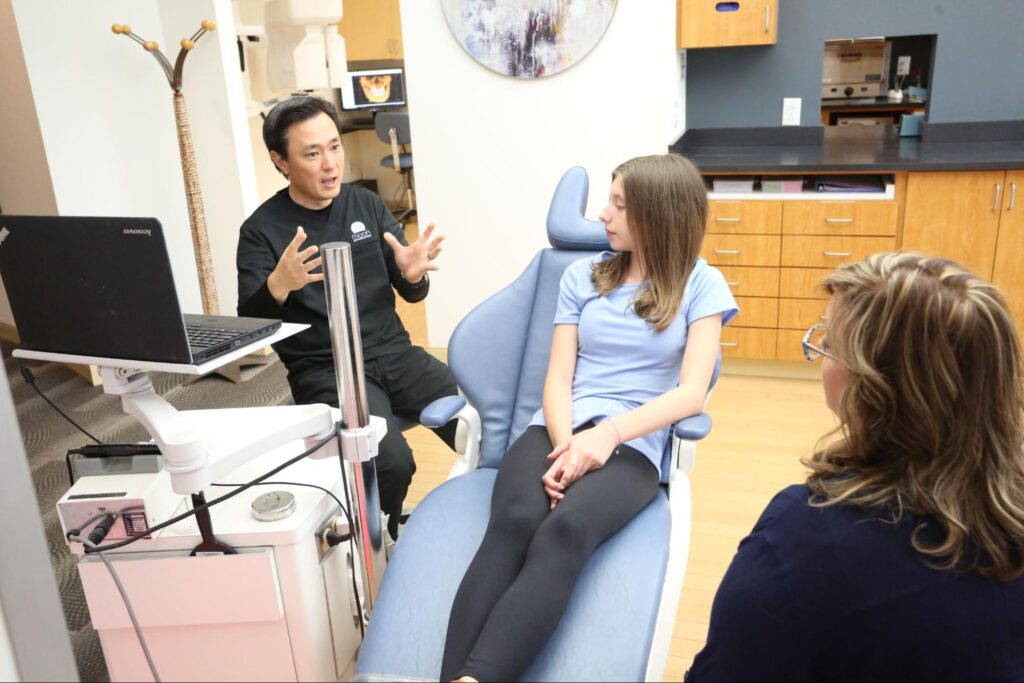
The honest conversation about readiness happens at the free consult. Dr. Moon and our friendly team will look at your teen’s teeth, bite, and daily life, then give you a candid recommendation. If braces are a better fit, we’ll say so. If clear aligners are the right move, we’ll build a customized treatment plan around them.
Frequently Asked Questions About Teen Clear Aligner Wear
How many hours a day should teens wear clear aligners?
Most clear aligner plans call for 20 to 22 hours per day for teen patients, and Dr. Moon will confirm the exact target for your teen. That leaves about 2 hours daily for eating, drinking anything other than water, and brushing. Hitting that target consistently is the single most important factor in finishing treatment on time with the planned result.
What happens if my teen doesn’t wear aligners enough?
Teeth drift back toward their original positions when aligners are out too long. The next tray in the series won’t seat properly, movement stalls, and tracking issues develop. The usual fix is refinement trays, more appointments, and extended treatment time. In some cases, Dr. Moon may ask your teen to go back a step or wear the current tray longer before switching.
How do I know if my teen is wearing their aligners enough?
At each check-in, Dr. Moon looks at how well the current tray fits and whether teeth are tracking as planned. A snug fit is a good sign. A tray that feels tight or doesn’t seat fully usually means hours are slipping. A quick daily check at home helps catch problems before the next visit.
What should my teen do if they lose an aligner?
Contact your orthodontist’s office right away. A lost tray usually isn’t a big setback when you call quickly. In the meantime, your orthodontist may ask your teen to wear the previous aligner to hold teeth in place until the replacement arrives. Don’t skip ahead to the next tray without checking in first.
Can teens play sports or play instruments with clear aligners?
Yes, and this is one of the biggest reasons teens choose aligners over braces. For contact sports, we recommend taking aligners out and wearing a mouthguard. For wind instruments, singing, or performing, aligners can usually stay in with little to no adjustment period. Just remember: hours out for games or practice still count against the 22-hour goal, so plan ahead.
How do I get my teen to wear their aligners without nagging?
Three things work well for most families. First, set up phone reminders and let your teen own the tracking. Second, build aligners into existing routines (brush teeth, aligners in, phone on charger). Third, let check-ins with Dr. Moon do the talking. When a neutral third party is reviewing wear time, it stops being a parent-teen battle. Our friendly team is also happy to have the honest conversation directly with your teen.
Want to learn more about how clear aligners could fit your teen’s lifestyle? Explore our guide to orthodontic treatment for teens and see how a steady 22-hour habit shapes a smile you’ll love to the moon and back.